Teaching

Prepare for teaching exams with expert study materials, practice tests, previous year papers, interview tips, teaching aptitude resources, and exam preparation guides. Explore everything you need to succeed in teacher recruitment and certification exams worldwide.

Female teacher receiving classroom observation feedback while students attend a lesson in a modern school classroom.

Taking Constructive Criticism Like a Champ (as a Teacher)

Teaching

Receiving negative feedback is never comfortable. Whether it comes from a principal, department head, mentor, colleague, parent, or even a student, criticism can feel personal. Teaching is more than just a profession—it is an emotional investment. Teachers spend countless hours planning lessons, supporting students, managing classrooms, and solving problems that often go unnoticed. When someone […]
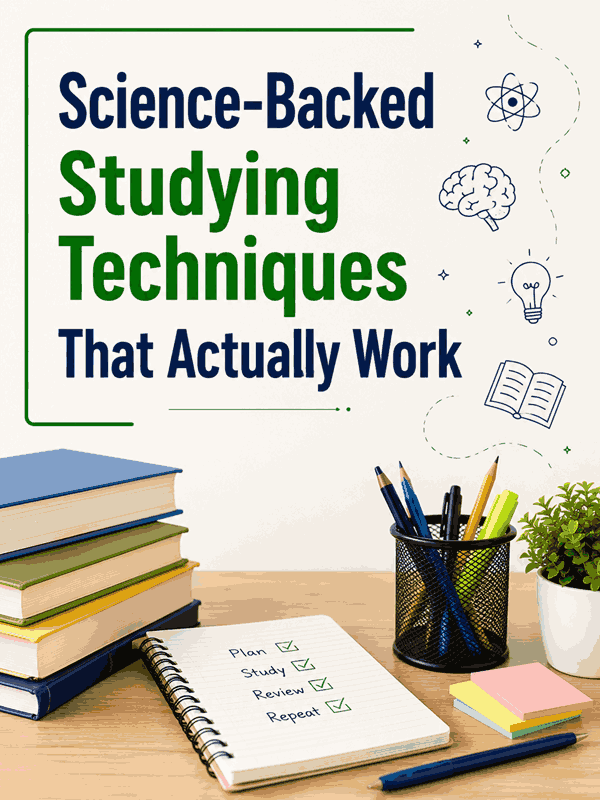
Simple illustration of science-backed studying techniques with books, notebook, and study desk showing evidence-based methods to improve learning, memory, and exam performance.

Science-Backed Studying Techniques That Actually Work

Teaching

As a self-directed adult learner balancing work, family, and education, your time is valuable. The good news is that research has identified effective study strategies that can help you learn more efficiently, achieve better learning outcomes, and feel more confident before classes and exams. Whether you are pursuing an online degree or attending classes in

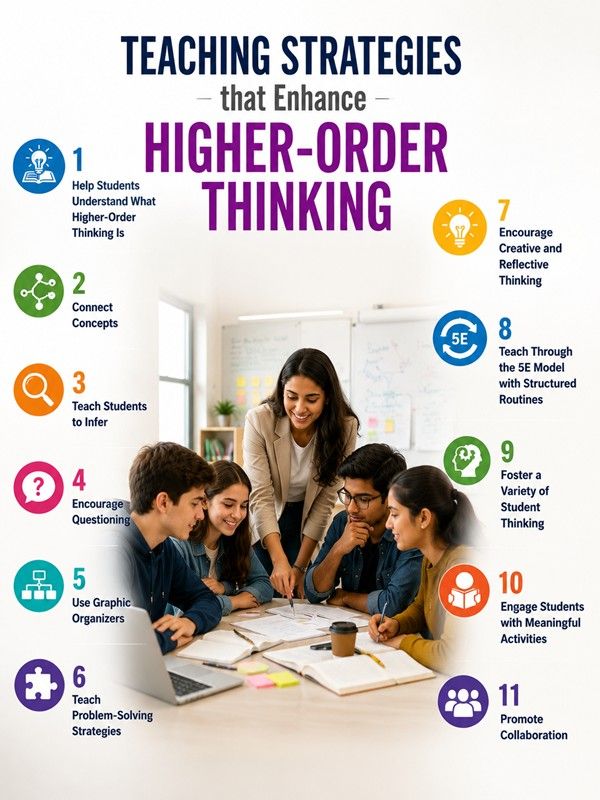
learning activities that enhance higher-order thinking skills, including critical thinking

Teaching Strategies that Enhance Higher-Order Thinking (HOT)

Teaching

Higher-Order Thinking is one of the most valuable skills teachers want students to develop in today’s AI-driven world. It goes far beyond memorizing facts or recalling information from a textbook. Instead, students learn to think reflectively, analyze ideas, draw conclusions, solve problems, and make meaningful connections between concepts. Critical thinking is a key part of

Teaching Philosophy

What is a Teaching Philosophy?

Teaching

A teaching philosophy is a personal statement that describes your beliefs about teaching and learning, the reasons behind your instructional choices, and the strategies you use to help students succeed. It outlines your values, methods, classroom management, assessment practices, and learning goals. When thoughtfully written, it serves as a practical guide for lesson planning, classroom

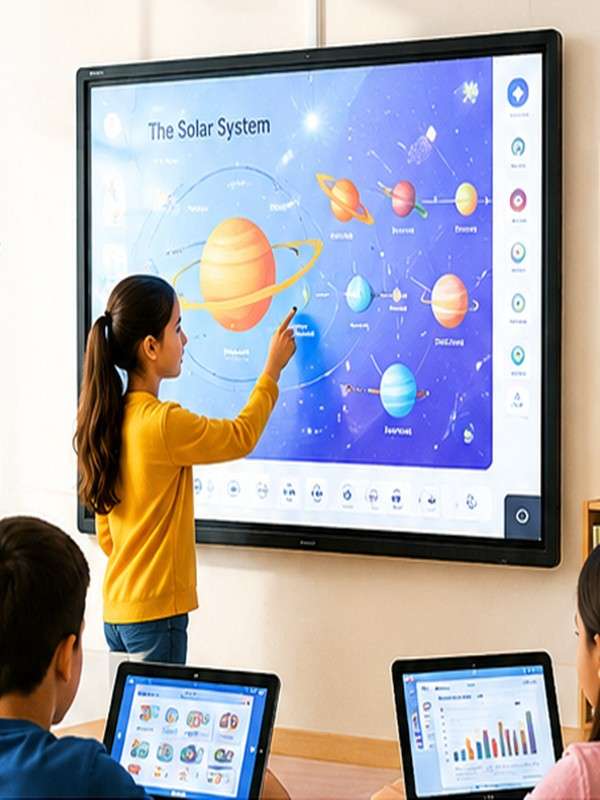
Benefits of Technology in the Classroom

Benefits of Technology in the Classroom

Teaching

Technology has transformed nearly every aspect of modern life, and education is no exception. The benefits of technology in the classroom are reshaping how teachers teach and students learn through interactive whiteboards, tablets, learning management systems (LMS), educational apps, artificial intelligence (AI), virtual laboratories, and online collaboration platforms. When used thoughtfully, these tools can make

Awesome Lesson Ideas to Integrate Science Across the Curriculum

Awesome Lesson Ideas to Integrate Science Across the Curriculum

Teaching

Science is much more than a subject taught during a single class period. It is a way of thinking, questioning, observing, experimenting, and solving real-world problems. Every day, students use science without even realizing it when they read weather forecasts, cook meals, play sports, create artwork, or use digital technology. This is why science should

Top 12 Pioneers in Education

Teaching

Friedrich Froebel (1782–1852): Father of Kindergarten and Pioneer of Early Childhood Education Friedrich Froebel (1782–1852) was a German educator best known as the founder of the kindergarten movement. He believed young children learn best through play, exploration, songs, games, and hands-on activities. Froebel introduced educational “gifts” and structured play materials to develop creativity, thinking, and

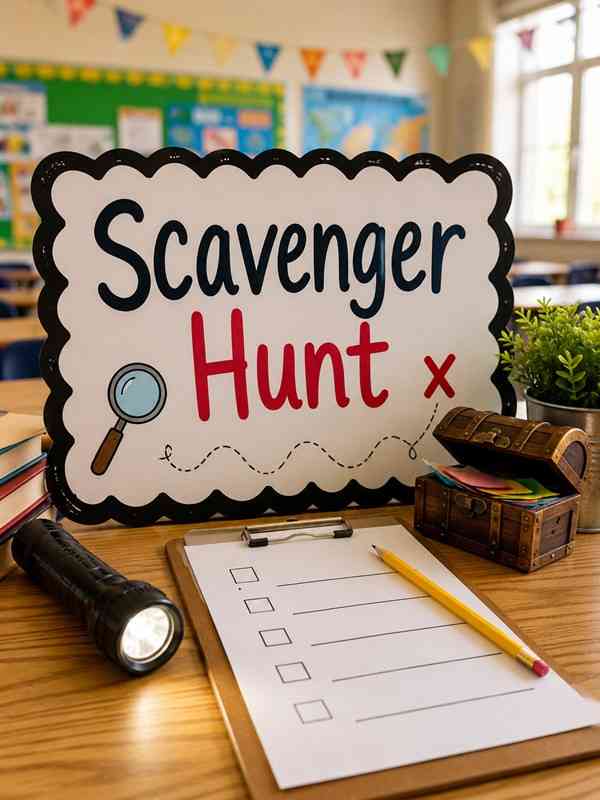
Scavenger Hunt

How to Create a Scavenger Hunt That Excites All Students

Teaching

Back when my friend and I shared a place, he was a few years ahead of me—already teaching at a secondary school while I was still training. I’d watch him late at night, prepping study materials and carefully tailoring lesson plans—he even prioritized how to give assignments and manage each student’s needs. But he often

Scroll to Top